

Consulting on regulations and requirements
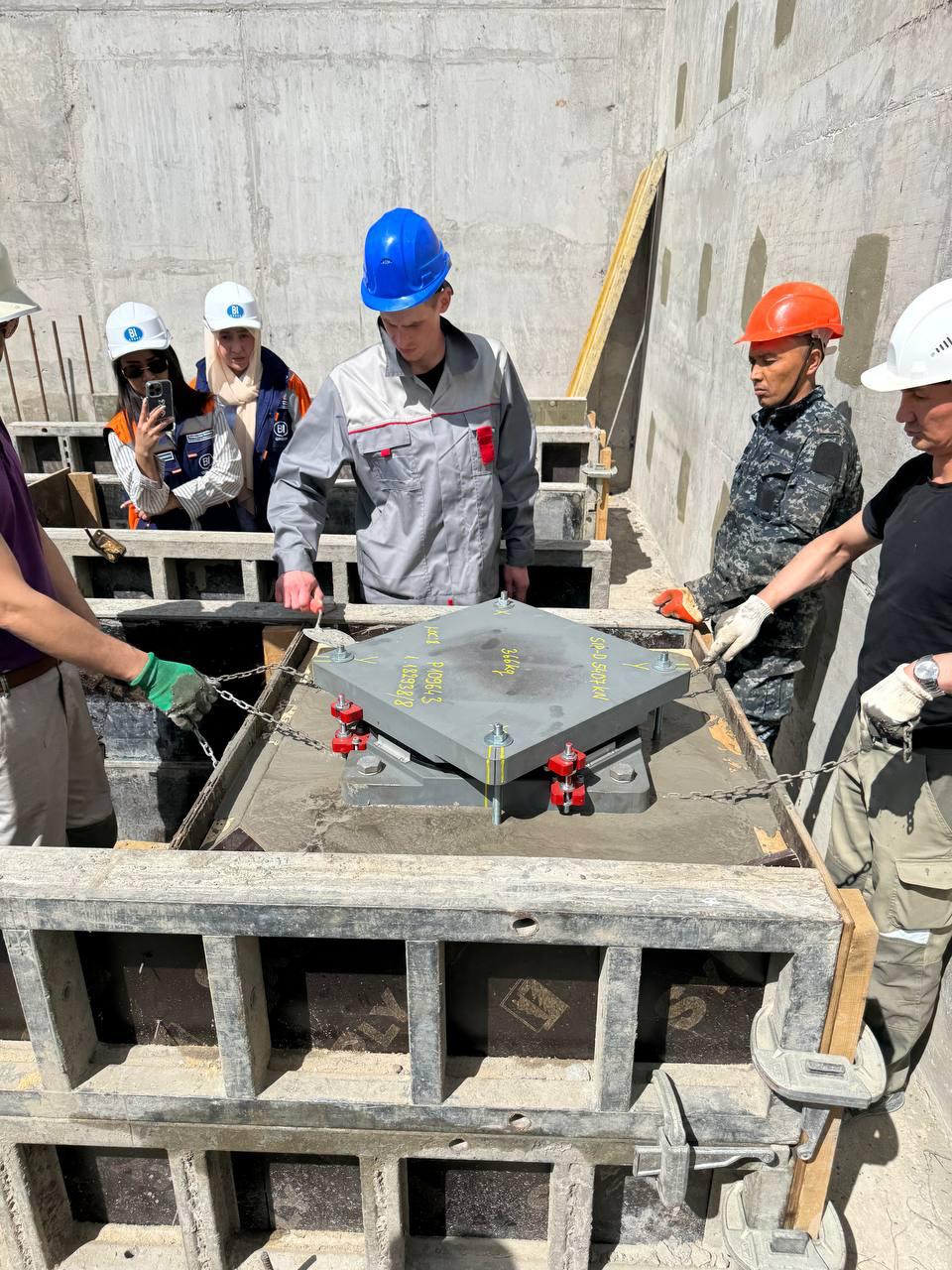
We support clients in working with seismic safety regulations and standards, both local and international. Our services include:
- interpreting regulatory requirements,
- developing design objectives that go beyond minimum standards,
- preparing documentation for permitting and expert review.
For non-standard and innovative projects, we develop customized seismic resistance criteria that align with the client’s acceptable risk level and strategic vision.
Why Base Isolation?
| Parameter | Conventional Structural System | Base Isolation and Damping System |
| Seismic Damage Reduction | Designed to withstand damage but may require repairs | Minimizes structural and non-structural damage |
| Building Function After Earthquake | Temporary shutdowns likely for inspections or repairs | Remains fully operational immediately after event |
| Occupant Safety & Comfort | High shaking, risk of disruptive movements of objects, panic | Lower floor accelerations, safer and more comfortable experience |
| Protection of Equipment & Interiors | Equipment and furnishings often damaged | Sensitive contents (IT, Lab, Medical, MEP) better protected |
| Long-Term Cost Efficiency | Lower upfront cost, higher repair and downtime risks along with substantial operational costs | For certain types of buildings located in high seismic hazard areas, it still proves to be a cost-effective choice |
| Business Continuity / Downtime | Weeks to months of disruption possible | Rapid recovery and continued operation |
| Design Flexibility | Requires heavier and more material intensive structural design | Freer architectural design, lighter structural constraints |
| Performance Under Major Earthquakes | May reach damage or collapse prevention level only | Engineered for immediate occupancy and resilience |
| Suitability for Kazakhstan Seismic Zones | Adequate for basic compliance, but vulnerable to major shocks | Ideal for high-seismic areas like Almaty with global track-record |